
What is digital dentistry?

It is important to emphasize how digital dentistry does not replace knowledge, expertise and skill of dentists, but improves diagnostic techniques and dental treatments which include the use of digital (computer-guided) technology that helps dentists in diagnosing, in order to view the dental image from a new perspective and with much greater precision than before, before computer-guided technologies.

Digital dentistry has transformed dental practice and provided patients with high-quality service and more comfortable therapy which ultimately, in patients, results in satisfaction of the provided service and less fear of visiting the dentist.

One of the biggest advantages of digital dentistry is more comfortable procedure of taking a dental impression (dental medium between the teeth).

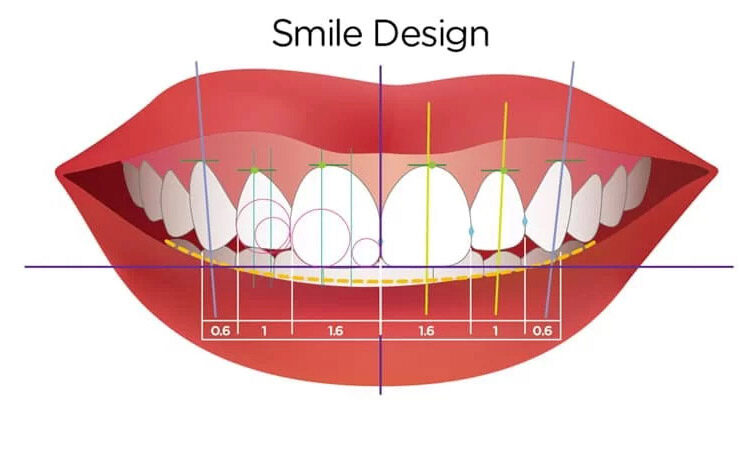
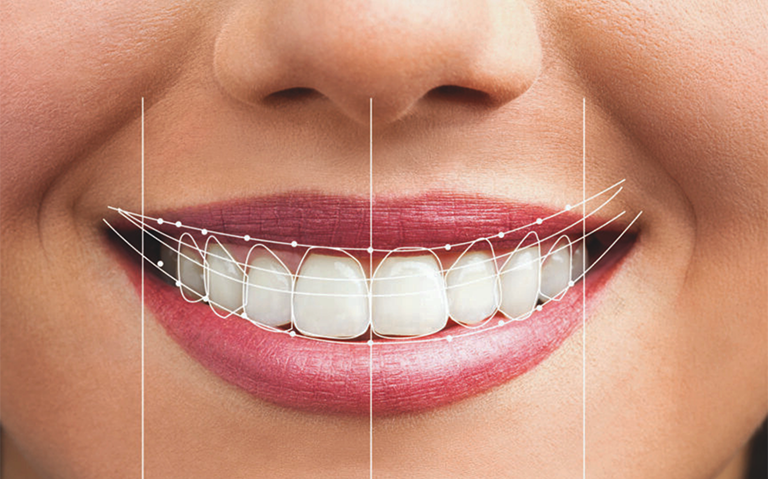
Smile Design

A beautiful smile is one of the characteristics that is always remembered on man, and that is why most people want a harmonious and attractive smile.

The technology used in dentistry and which is progressing more and more every day makes it easier for the patient to go to the dentist because in a short time, without fear and pain, he can solve all his problems.

It also provides dentists with extreme precision, safety and superior result.

In planning prosthetic work so that the patient can participate in the creation of his perfect smile, digital photography as well as the digital jaw print of the patient, which is taken with the latest intraoral scanner, plays a major role.

Designing a new smile

The process of making high-quality aesthetic prosthetic work is extremely demanding and in order to achieve top results, high precision is required at all stages of production.

After planning, he moves to grinding the teeth on which veneers or crowns will be made. Each tooth is previously anesthetized so that the patient does not feel any pain. Grinding is completely painless for the patient.

After the impression, temporary teeth are made so that the patient never leaves the office without teeth. Prints are sent to the laboratory where the dental technician makes the ceramic veneers themselves or crowns.

The process of cementing complete ceramic veneers or crowns is also a demanding procedure and requires a dexterous and educated dentist.

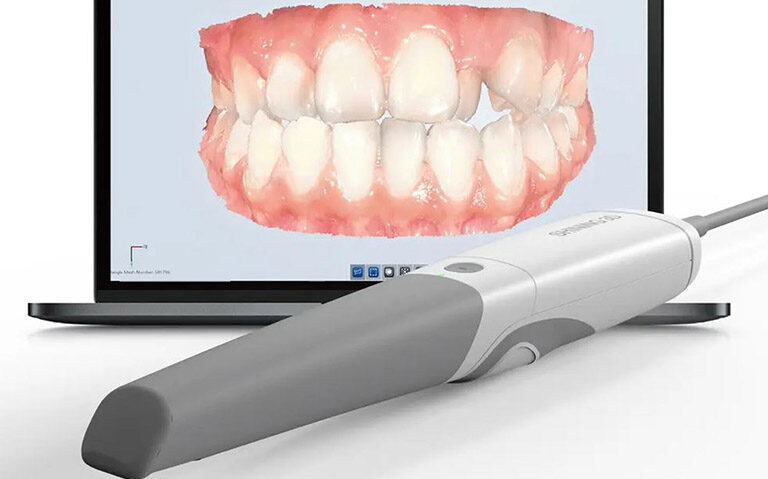
Intraoral scanner

Fingerprint technology has also changed. Intraoral scanners have become increasingly common in practice, and their accuracy is the same as that of a conventional print.

Such a 3D print is stored in electronic form on a computer with which the print can be analyzed anywhere in the world. Already in a few minutes we can transfer the entire situation of dentures to computer software and this allows us to plan prosthetic, implant, restorative and orthodontic therapies with high speed and precision.

Intraoral scanner in combination with CAD/CAM system and 3D printer is a winning combination in terms of scanning speed and processing and production of finished prosthetic work while providing the patient with comfort, quality, safety, high precision, shorter time of stay on the dental unit, simulation of work.

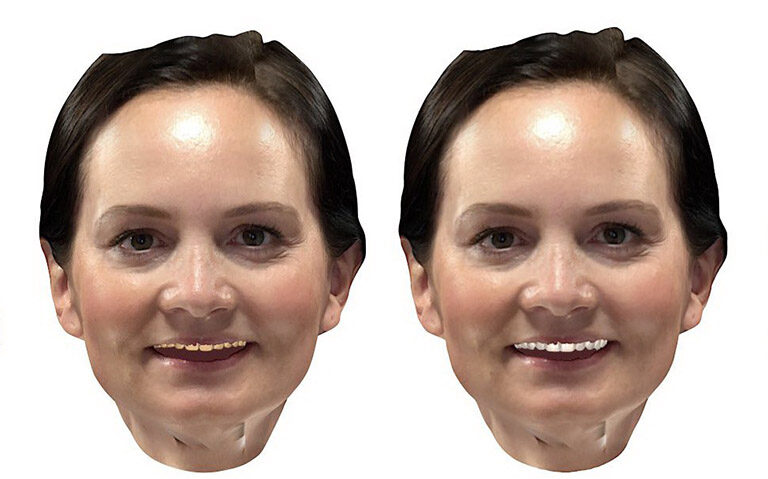
Face scan

Intraoral scanner is an apparatus of the latest generation of devices, which allows the dentist to quickly, easily and precisely create a digital 3D model of both jaws of the patient. Based on this, perfect dental replacements can be made, such as solo crowns, bridges, various constructions on implants, etc.

The scanning process is fast, completely painless and harmless to the patient. In this way, the possibility of error, which can occur during classic printing, is also significantly reduced. It takes only a few minutes, after which the digital data is sent to our laboratory for further processing.

The intraoral scan of both jaws of the patient, and their interrelationship, can be completed with a full face scan (FACE SCAN). The process of scanning the patient’s face takes about 15 seconds. In this way, all the parameters for the production of ideal prosthetic work are met

.

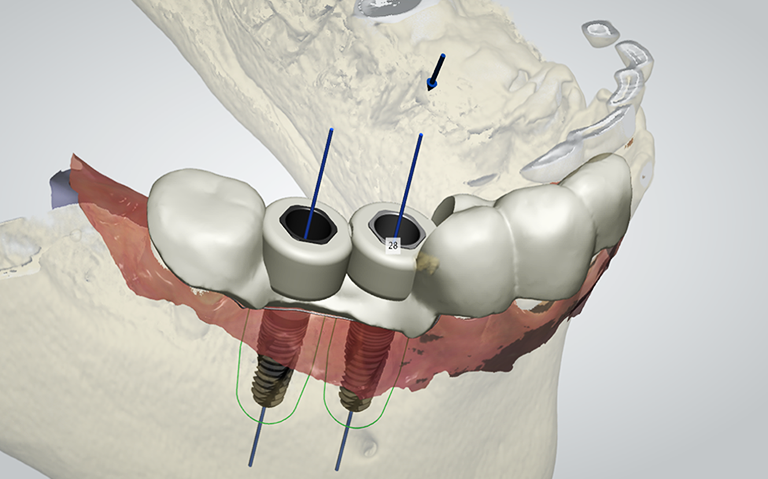
Computer-guided implantology

In order to complete the lack of teeth with the best solution, we are certainly talking about implant placement. Modern technology in this field brings us novelties that provide the patient with exceptional precision without the impossibility of error, it is a computer-guided implantology.

Guided implantology is a procedure that, based on the comparison and overlap of ct scans of the jaw and intraoral scan – digital imprint accurately plans the position and length of the implant in relation to the anatomical structures in the jaw.

Due to the exceptional precision of the planning process, this method of implantation reduces the possibility of error and discomfort of the patient because there is no need for an incision in the gums, and it is completely painless, and the implantation itself is carried out through a specially designed implant template.